
Save to...


Herend
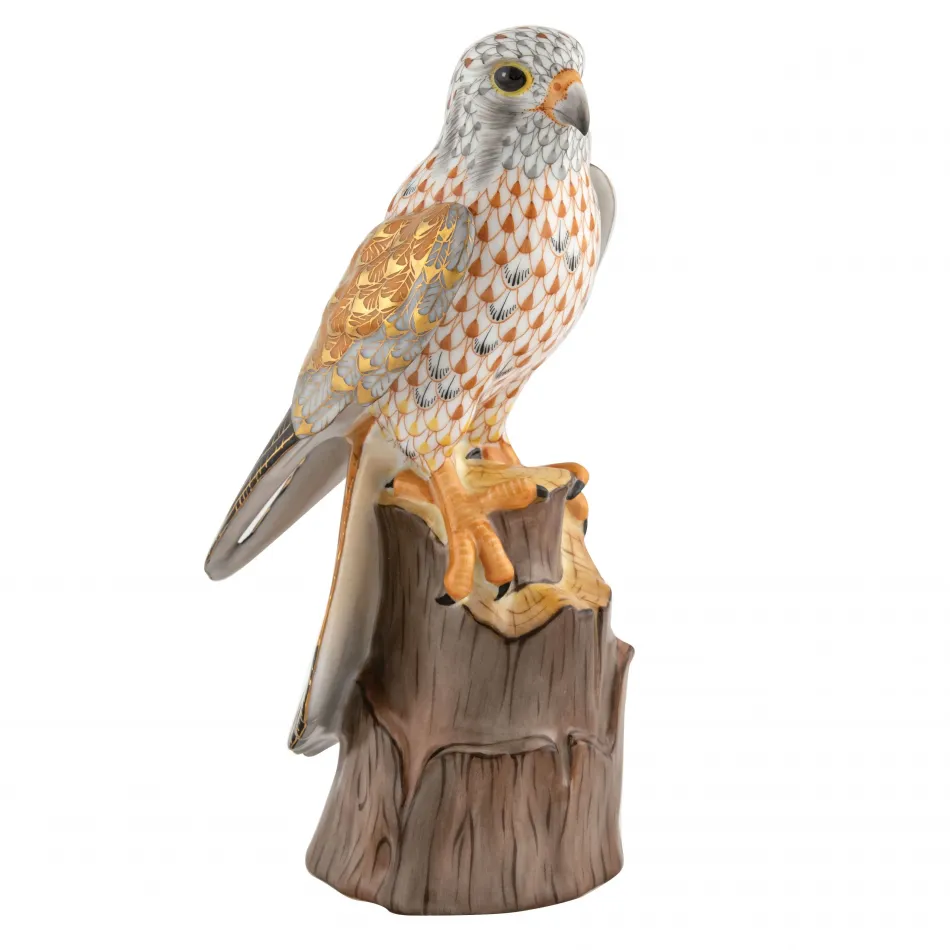
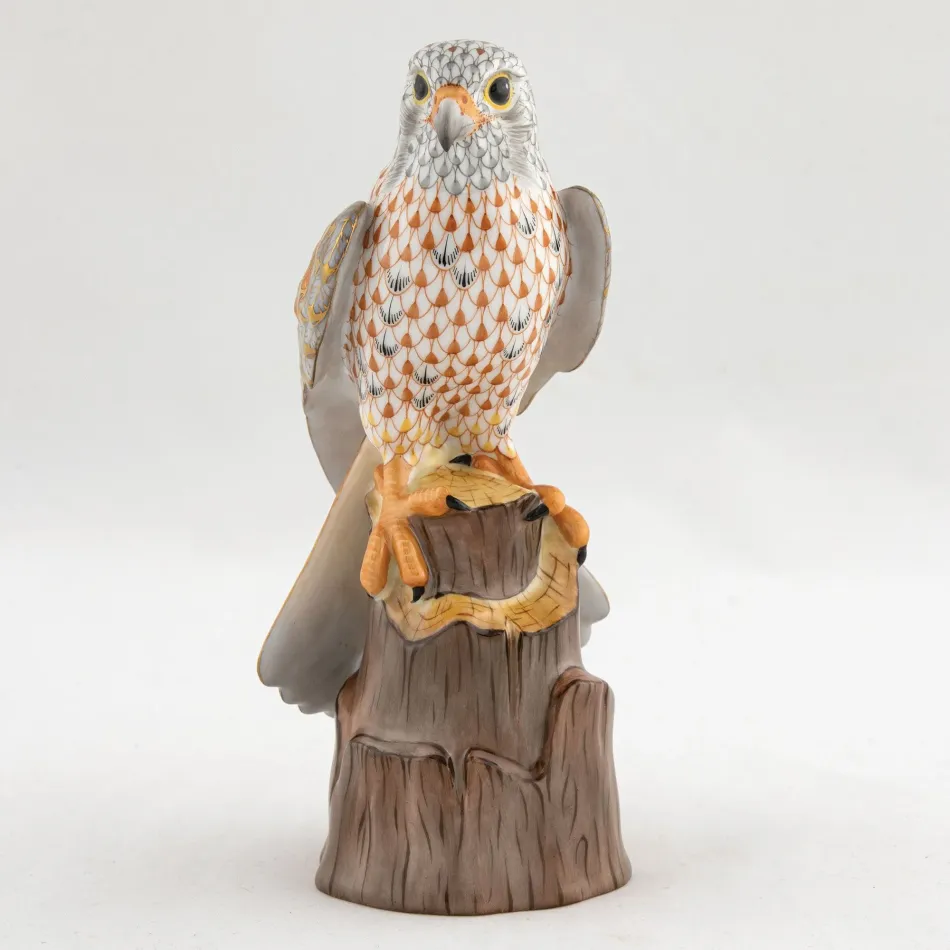
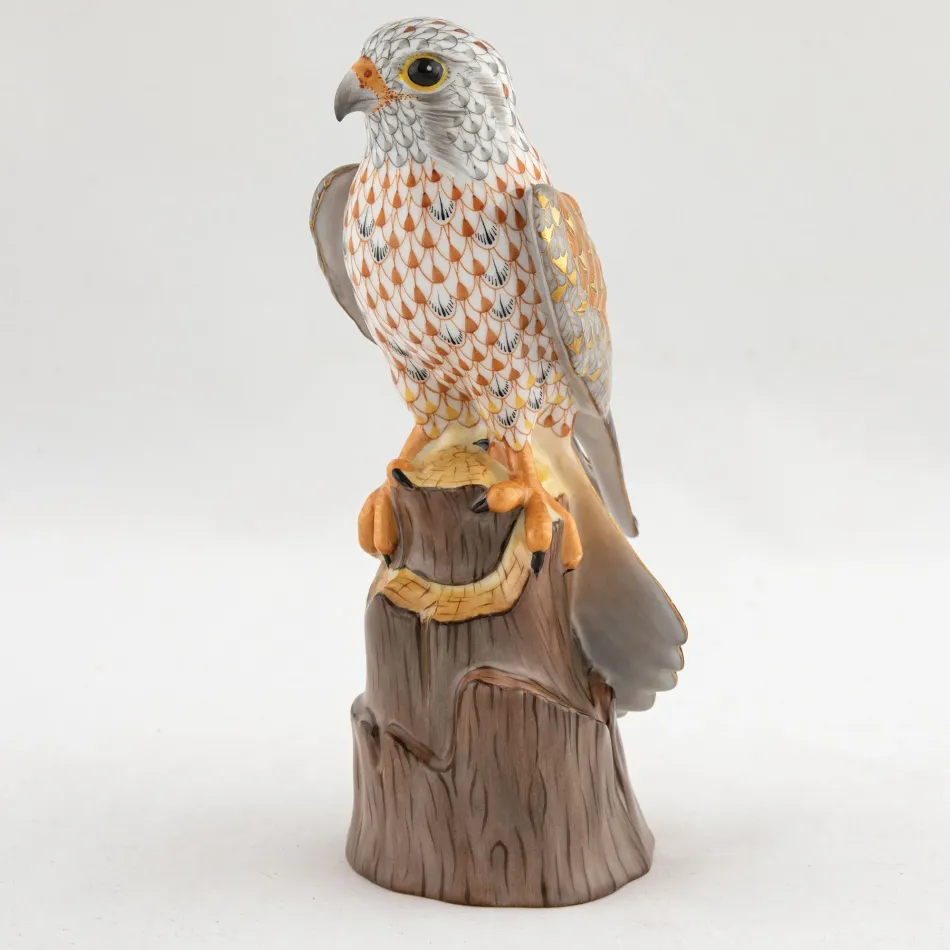
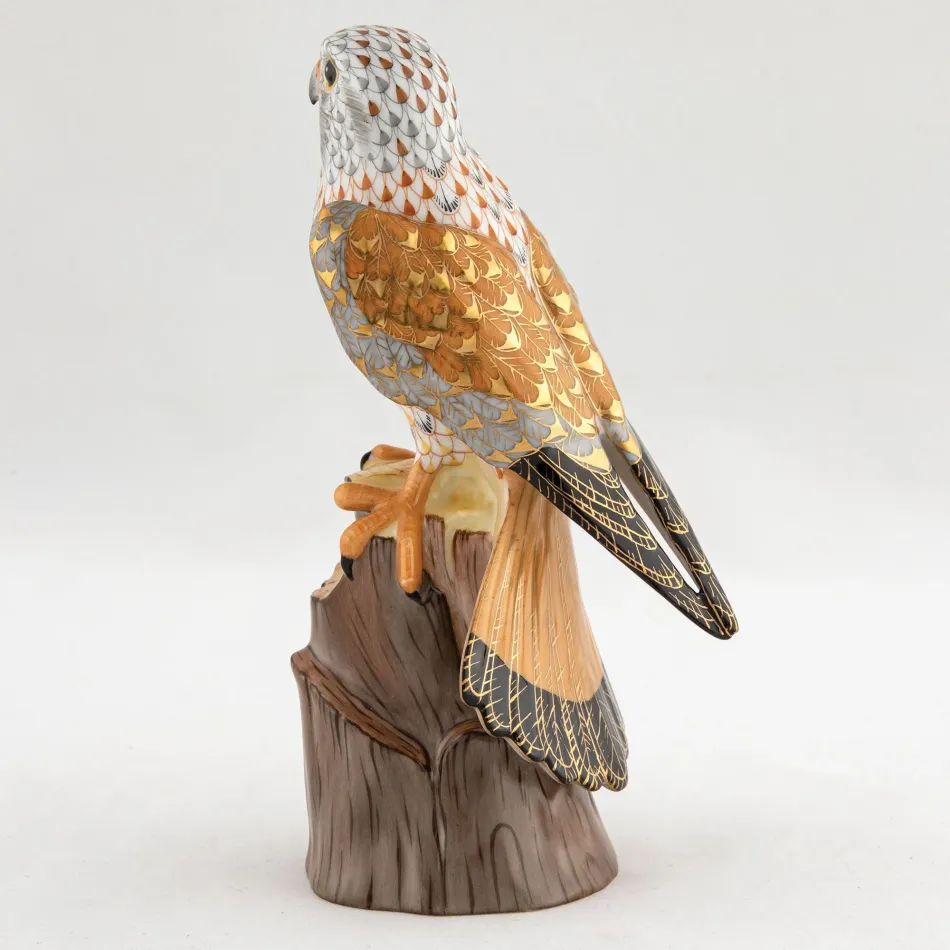
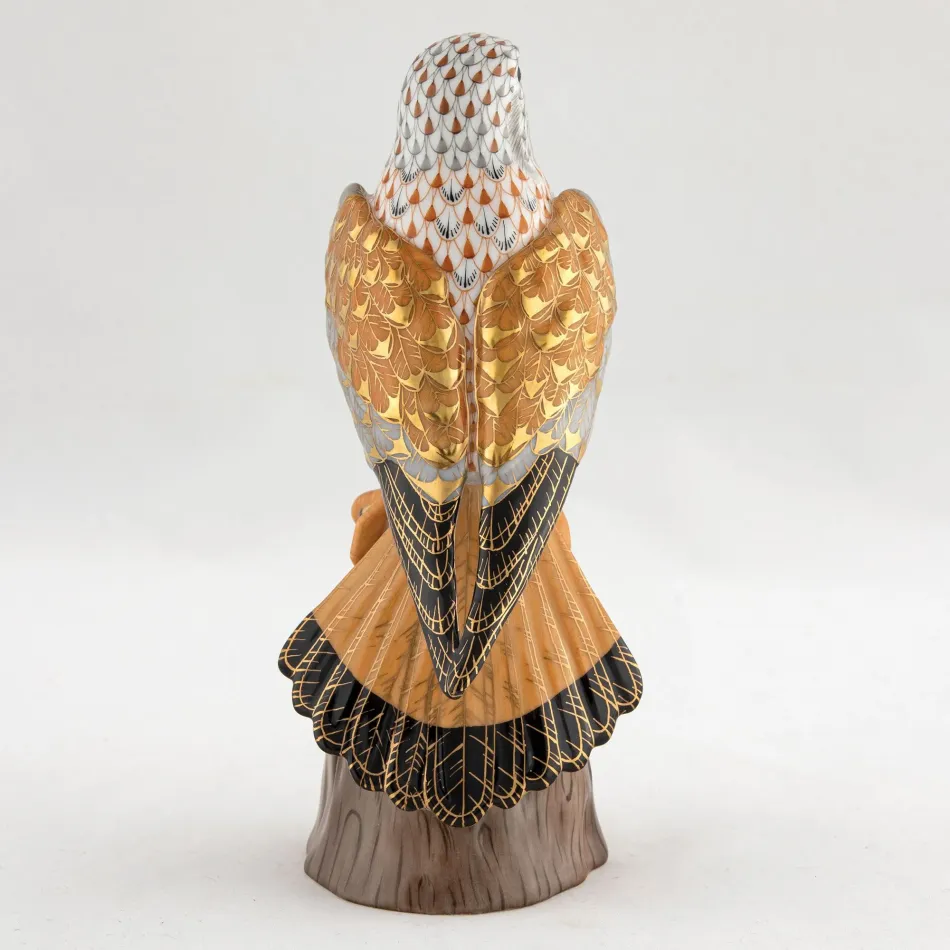
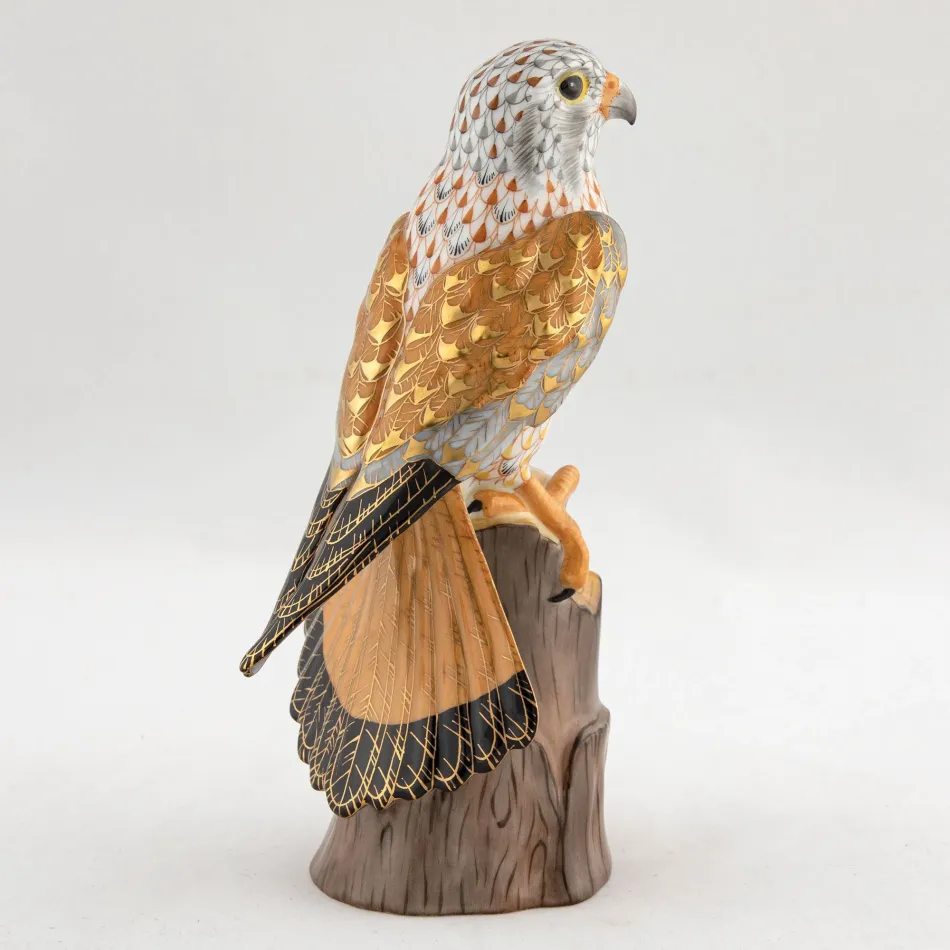
 (66)American Kestrel Multicolor
Description
Limited Edition Size = 150
The American Kestrel may be North America?s smallest raptor but by no means does that diminish its abilities as a hunter as evidenced by those impressive talons. What it lacks in size the kestrel makes up in coloration since it is considered the most colorful of raptors. Often found perched on a wire or a pole, the kestrel will pump its long tail to keep its balance while scanning for an unfortunate grasshopper. The sculptors and painters at Herend had no desire to embellish such a dignified bird and beyond adding fishnet to make the kestrel one of their own, have adhered to nature?s composition and colors.
Now the biggest porcelain manufactory in Europe, Herend was founded in 1826 to produce earthenware in the small Hungarian village for which it was named. At the time, Hungary was flooded with low-cost pottery, but in 1839, Mor Fischer became the Manufactory’s new owner and he decided to focus on producing dinnerware replacement pieces for Europe’s royal families to complement their valuable porcelain patterns from Germany and the Far East.
As his client base grew, Fischer commissioned his artists to begin designing dinnerware patterns of their own. Queen Victoria’s 1851 purchase of a large set for Windsor Castle was a milestone, setting the stage for aristocrats throughout Europe to clamor for Herend in their estates.
In the 1850s, Herend added meticulously-crafted figurines to its creations. Herend’s trademark fishnet pattern, which is widely recognized and prized as Herend’s signature design, started in 1858 when an artist who was intrigued with a Chinese plate’s fish scale design painted it onto a rooster figurine to imitate feathers.